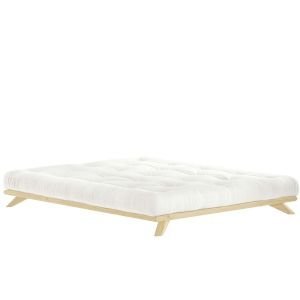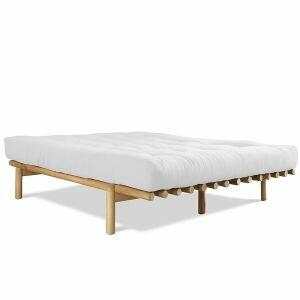

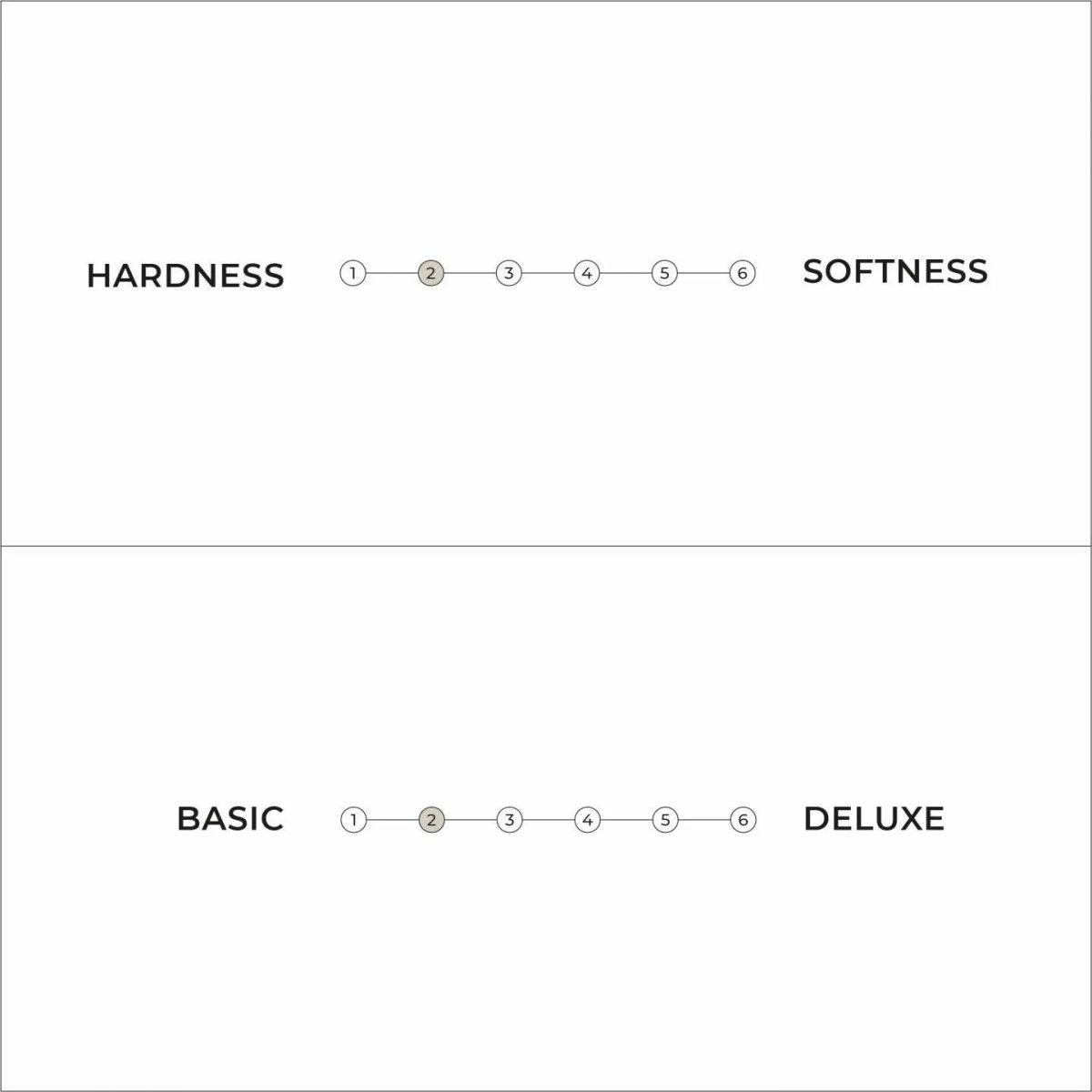



Our Karup traditional futon mattress is a 13 cm thick Japanese futon filled with cotton. Our futons have a higher density and thickness than traditional Japanese futons, but it still offers all the great features of a traditional futon. The traditional futon feels flexible and gets its hardness from the surface it rests on, which ensures a medium hard sleeping comfort. Because this futon gets its hardness from the surface, this futon is best placed on a flat surface, such as when using tatami mats. The cotton layers make the futon flexible so that it easily adapts to your body and supports where necessary.
The Karup futon mattress traditional is a futon as a futon is meant, constructed in a traditional Japanese way. Thanks to the multiple layers of recycled cotton, covered with a 100% cotton cover, this futon offers very good ventilation. Recycled Cotton is endorsed by various studies as the most sustainable shape of cotton due to the fact that the high environmental impact caused by regular cotton cultivation does not apply.
Karup futon mattress TRADITIONAL
Information:
- Ticking of 100% cotton
- Filling 8 layers of cotton
- Ecologically recycled cotton through use
- Felt padding made of wool
- Thickness 13 cm
ADVANTAGES FUTON MATTRESS
- A futon provides a firm surface with a light counter-pressure and, thanks to the compact cotton filling, forms to the contours of your body. It provides support over the entire length of your body.
- This is why FUTONS are especially recommended for people with back problems or who are overweight.
- Due to the natural and airy filling, it offers excellent ventilation. This way you will sleep comfortably even on warm nights.
- Thanks to the firm structure and the mattress is easy to turn, the FUTON can ventilate well during the day, which means that it is better ventilated and retains its fresh, natural scent.
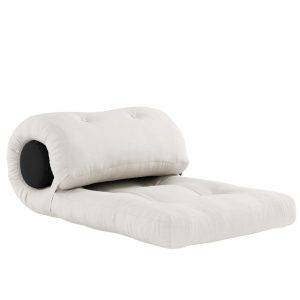
- A futon can easily be folded in half, with which you can save space in a smart way
Use futon mattress
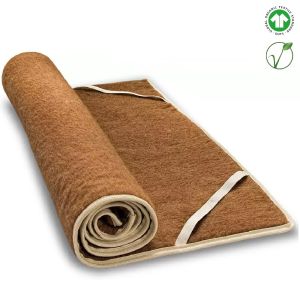
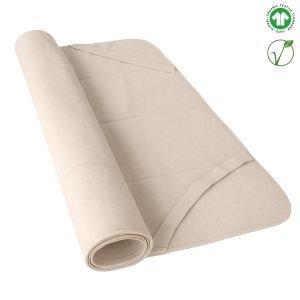
- Do not use synthetic corner sheets or a mattress protector, as this blocks ventilation, which can cause the futon to develop mold. Use only a suitable futon. mattress protectors
- A futon mattress is made of cotton fibers – don't let it get wet.
- As with other mattresses, the FUTON must be turned regularly so that it retains its shape and can be ventilated.
- Leave the mattress uncovered regularly during the day. It can ventilate better if not covered.
- Provide a ventilating surface, for example a tatami mat or slatted base. Directly on a wooden floor / tile floor / laminate floor or carpet does not provide sufficient ventilation, which can cause the futon to mold.
- Do not let the futon get wet and do not place it in a room with high humidity. This will result in mold in the futon.
Futon mattress maintenance
- A natural property of cotton is its ability to be compressed (within a margin of 1 to 2 cm). To restore the futon's original shape, it is best to roll and fold it in all directions at least 3 times a month. This distributes the cotton evenly across the entire mattress and prevents the filling from becoming uneven or sagging. In addition to rolling and folding, it is important to treat the edges of the mattress regularly. To do this, kneel around the entire edge of the futon while simultaneously tapping the filling inwards from the outside with your fists. By tapping firmly on the edges, you push the cotton that has shifted to the sides back towards the center of the mattress. This prevents the edges from becoming thinner while the center remains too thick, and helps the futon maintain its even shape.
- Do not use synthetic corner sheets or flannel/mattress protector, as this will block the ventilation and cause the futon to mold.
- A futon mattress is made of cotton fibers – don't let it get wet.
- As with other mattresses, the FUTON must be turned regularly so that it retains its shape and can be ventilated.
- Leave the mattress uncovered regularly during the day. It can ventilate better if not covered.
- Provide a ventilating surface, for example a tatami mat or slatted base. Directly on a wooden floor / tile floor / laminate floor or carpet does not provide sufficient ventilation, which can cause the futon to mold.
- Do not place the futon in a room with high humidity. This will result in mold inside the futon.